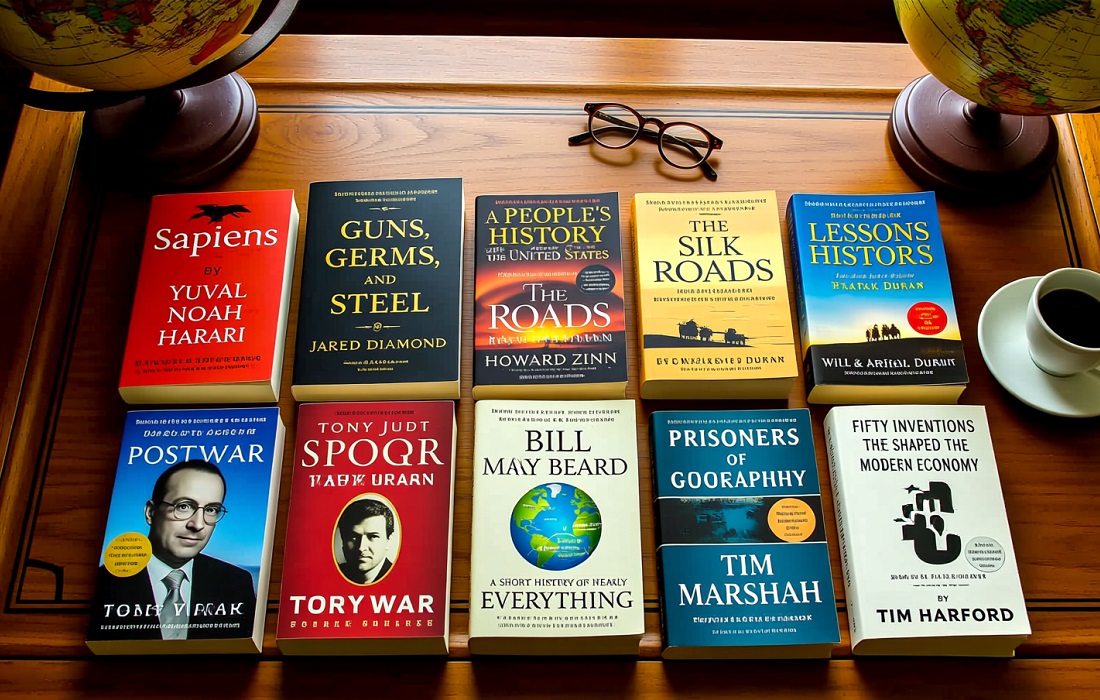
World history offers more than timelines and dates – it reveals patterns, human struggles, and long arcs of change that shaped our present. For beginners, choosing the right book is essential: it should be gripping, clearly written, and grounded in solid scholarship. This list of Top 10 Books About World History blends New York Times and Amazon bestsellers with enduring classics, ensuring a mix of fresh insight and timeless perspective. From sweeping one‑volume histories to vivid microhistories, these works transport readers across centuries and continents.
Top 10 Books About World History
1. Sapiens: A Brief History of Humankind by Yuval Noah Harari
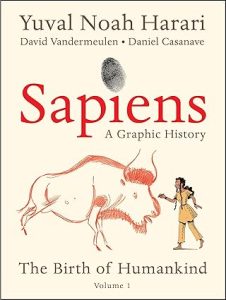
Harari’s international bestseller traces humanity’s journey from obscure hominin to planetary dominance. Weaving anthropology, archaeology, and biology, Sapiens examines key revolutions: cognitive, agricultural, and scientific. Harari challenges myths of progress, emphasizing the costs of civilization alongside its achievements. Insightful yet provocative, he connects prehistoric foraging to modern capitalism. Beginners will appreciate his accessible narrative, vivid examples, and sweeping scope that crosses cultures and disciplines. The book invites readers to question what makes us human, how shared beliefs hold societies together, and whether our technological future will serve or subvert our happiness. It’s both history lesson and philosophical conversation.
+ Book Summary of Sapiens: A Brief History of Humankind by Yuval Noah Harari
2. Guns, Germs, and Steel: The Fates of Human Societies by Jared Diamond
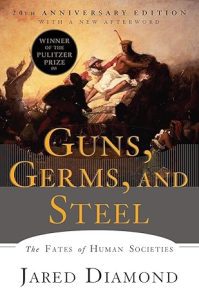
Diamond seeks to explain why certain civilizations advanced faster than others without resorting to racial theories. His Pulitzer Prize‑winning work argues that geography, domesticable plants and animals, and environmental factors shaped global inequalities. Covering 13,000 years, Guns, Germs, and Steel blends archaeology, anthropology, and ecology in a sweeping synthesis. For beginners, its strength lies in revealing history as a product of circumstance rather than innate superiority. Diamond’s accessible style and compelling examples – from quinoa farming to smallpox – make complex ideas digestible. It’s a lens for understanding why empires rose where they did and why global power gaps persist.
+ Book Summary of Guns, Germs, and Steel by Jared M. Diamond
3. A People’s History of the United States by Howard Zinn
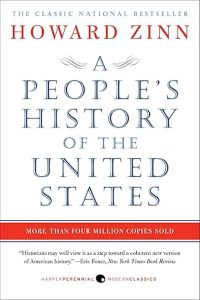
Zinn’s groundbreaking narrative shifts focus from political leaders to ordinary people – workers, women, minorities – too often marginalized in traditional histories. Covering Columbus’s arrival to the early 21st century, he spotlights dissent, protest, and grassroots movements shaping the nation. While centered on U.S. history, its approach models a global trend toward inclusive storytelling. For beginners, Zinn’s clear prose and moral urgency challenge established narratives, encouraging critical engagement with the past. The book demonstrates that history’s “winners” aren’t its only authors and that resilience, struggle, and justice are global constants, making it an essential entry in understanding world history’s diverse voices.
4. The Silk Roads: A New History of the World by Peter Frankopan
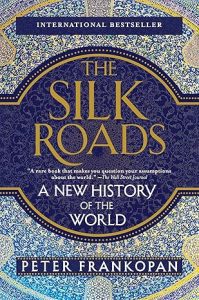
Frankopan reorients world history away from Europe toward Asia’s central trade routes. The Silk Roads examines the cultural, economic, and political exchanges flowing between East and West for over two millennia. From Persian empires to the Mongols and the modern energy economy, the narrative shows how Central Asia shaped global events. Beginners will find the thematic, interconnected chapters engaging and expansive. The book also reframes familiar events – like the Renaissance or the World Wars – as influenced by forces far from Europe’s capitals. It’s a panoramic story of exchange, empire, and shifting centers of power across continents.
5. The Lessons of History by Will Durant & Ariel Durant
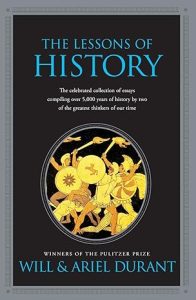
In under 150 pages, Will and Ariel Durant distill decades of historical study into thematic reflections. The Lessons of History covers economics, politics, religion, and war, drawing from their monumental The Story of Civilization. Beginners will appreciate its brevity and clarity, offering a philosophical overview rather than a chronological narrative. Key insights include the cyclical nature of history, the interplay between geography and culture, and the tension between liberty and equality. This compact work is an ideal starting point for those seeking distilled wisdom from vast historical experience. It’s history as a guide to understanding perennial human dilemmas.
6. Postwar: A History of Europe Since 1945 by Tony Judt
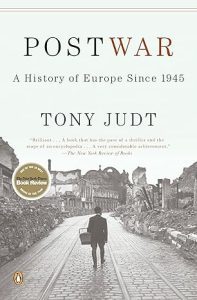
Judt’s masterpiece chronicles Europe’s transformation after World War II, from reconstruction to the fall of the Berlin Wall and beyond. Postwar integrates political, social, and cultural history, exploring themes like the Cold War, economic integration, and shifting national identities. Beginners will be drawn to Judt’s narrative skill, which makes complex geopolitics readable and poignant. He includes both Eastern and Western perspectives, showing the continent’s divisions and convergences. This ambitious work reveals how Europe rebuilt itself amid ideological rivalry and economic change. It’s essential for understanding the post‑1945 world that shaped contemporary global politics and international relationships.
7. SPQR: A History of Ancient Rome by Mary Beard
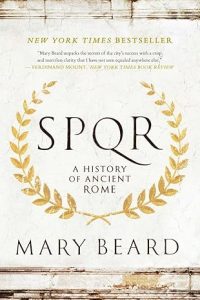
Mary Beard brings ancient Rome to life with scholarly rigor and irresistibly chatty storytelling. SPQR covers Rome’s rise from a small village to an empire spanning continents, ending in the third century CE. Beard dismantles myths, examines citizenship, and highlights the voices of women, slaves, and the poor. Beginners will find her blend of archaeological evidence and narrative engaging and illuminating. She argues that Rome’s legacy remains embedded in our politics, culture, and law. Far from a dry account of emperors and battles, this book reveals Rome as a dynamic, diverse, and often contradictory civilization with enduring global influence.
8. A Short History of Nearly Everything by Bill Bryson
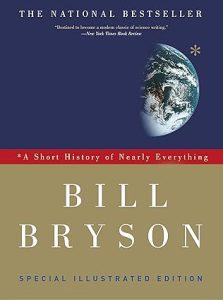
Bryson’s bestseller is as much about science as history, narrating the story of the universe, Earth, and humanity’s place within them. He guides readers through cosmology, geology, and evolutionary biology, always with warmth and wit. While not a traditional history book, its sweeping timescale contextualizes human history within a 13.8‑billion‑year framework. Beginners will love Bryson’s knack for making complex concepts funny and memorable. He shares both scientific triumphs and blunders, highlighting human curiosity’s role in discovery. The book reminds readers that understanding the physical world enriches our interpretation of cultural and political history alike.
9. Prisoners of Geography by Tim Marshall
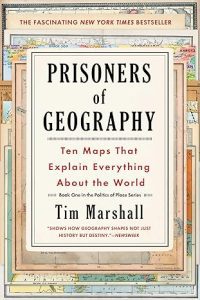
Marshall’s engaging work argues that geography often dictates political and historical outcomes. Covering ten regions – from Russia to the Middle East – he explains how mountains, rivers, and resources shape strategy, conflict, and economic development. For beginners, Prisoners of Geography offers a fresh framework for understanding current events as extensions of historical patterns. Its clear maps, case studies, and accessible language make it highly readable. Marshall’s geopolitical lens ties ancient borders to modern tensions, showing that history cannot be separated from the land on which it unfolds. It’s a compelling bridge between history, politics, and geography.
10. Fifty Inventions That Shaped the Modern Economy by Tim Harford
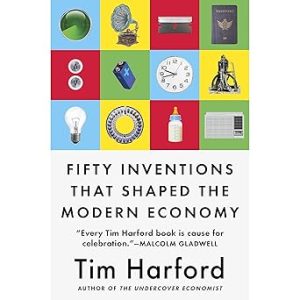
Economist and storyteller Tim Harford explores how seemingly mundane inventions transformed global history. From the plow to the passport, he shows how each innovation altered economics, culture, and politics. Beginners will enjoy Harford’s ability to blend storytelling with economic insight, revealing how technology and trade drive historical change. The book spans centuries and continents, illustrating history through objects rather than battles or leaders. Harford’s approach underscores the interconnectedness of human creativity and societal evolution. It’s a reminder that history often turns not on grand speeches but on practical tools that quietly reshape the way people live and interact.
Conclusion: Top 10 Books About World History
World history is a tapestry woven from countless threads: environment, trade, technology, ideas, and human will. These Top 10 Books About World History provide diverse entry points – from Harari’s sweeping timeline to Frankopan’s Silk Roads network and Beard’s vivid Rome. Beginners will find both narrative drama and analytical insight, along with perspectives missing from traditional textbooks. By blending recent bestsellers and respected classics, the list ensures accessible, authoritative introductions to global history. Start with one, and you’ll begin connecting the past’s dots to the present’s patterns – a journey that deepens not only knowledge but also your grasp of humanity’s shared story.
Engage with Us: What Are Your Favorite Books?