
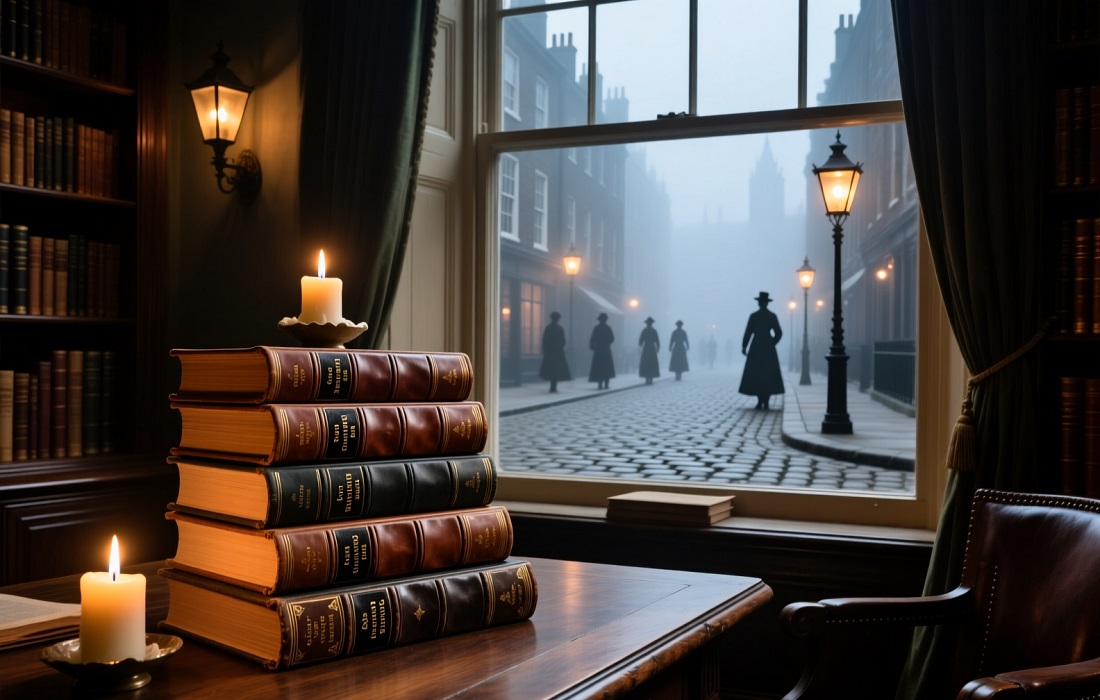
Charles Dickens remains one of the most celebrated and influential novelists of the Victorian era. His works capture the struggles of the poor, the corruption of institutions, and the resilience of the human spirit. Blending biting satire with deep compassion, Dickens championed social reform while providing readers with plots full of mystery, humor, and unforgettable characters like Oliver Twist, Ebenezer Scrooge, and Sydney Carton. This curated list of Top 10 Books by Charles Dickens offers readers both the entertainment of rich storytelling and the insight of sharp social commentary.
Top 10 Books by Charles Dickens
1. Great Expectations (1861)
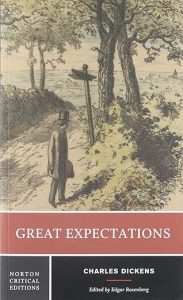
Great Expectations follows the life of Pip, an orphan raised by his harsh sister and her kind husband. Pip’s modest life changes when he encounters an escaped convict, Magwitch, and later becomes a companion to eccentric Miss Havisham and her cold protégée, Estella. When an anonymous benefactor funds Pip’s move to London to become a gentleman, he assumes it is Miss Havisham. The truth-that Magwitch is behind his fortune-forces Pip to reconsider his values and relationships. At its heart, the novel critiques class ambition and explores redemption, love, and self‑discovery. Dickens creates a rich tapestry of characters whose flaws and transformations reflect universal human experiences. Pip’s journey from naïve pride to mature humility is told with psychological depth and moral clarity. The settings-ranging from the decaying Satis House to the bustling streets of London-mirror Pip’s emotional states. By blending mystery, romance, and social critique, Great Expectations remains one of Dickens’s most accessible and profoundly human works.
2. A Tale of Two Cities (1859)
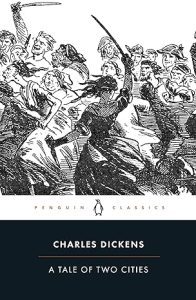
Set against the backdrop of the French Revolution, A Tale of Two Cities opens with the famous line, “It was the best of times, it was the worst of times.” The novel contrasts the bustling city of London with the turmoil of Paris, following Charles Darnay, a French aristocrat who rejects his family’s cruelty, and Sydney Carton, a cynical English lawyer. Both men love Lucie Manette, whose father, Dr. Manette, was imprisoned for years in the Bastille. In Paris, amid revolutionary violence, Darnay is arrested, and Carton redeems his wasted life by sacrificing himself in Darnay’s place. Themes of resurrection, sacrifice, and the corrupting power of vengeance dominate, while Dickens’s portrayal of revolutionary fervor warns against both injustice and blind retribution. Rich historical detail immerses readers in the guillotine‑filled streets of the Revolution, while the emotional core-Carton’s transformation from self‑pity to heroic purpose-secures the novel’s enduring place in literary history.
3. David Copperfield (1850)
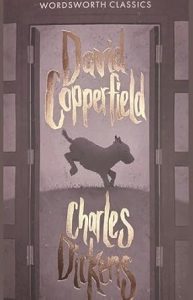
Often considered Dickens’s most autobiographical novel, David Copperfield traces its protagonist’s life from childhood poverty to professional success as a novelist. David’s early hardships-abuse from his stepfather, child labor in a factory-mirror Dickens’s own experiences. Along the way, he meets a vivid cast: the perpetually indebted Mr. Micawber, the obsequious villain Uriah Heep, and the angelic Agnes Wickfield. Dickens weaves in themes of perseverance, integrity, and self‑discovery, while showing how adversity shapes personal character. The novel balances humor and pathos, examining the moral failings and virtues of both the poor and wealthy. Its episodic structure allows readers to watch David’s steady growth, and its keen psychological insight makes it a precursor to the modern Bildungsroman. Through richly detailed scenes of Victorian England, David Copperfield offers both social realism and an intimate look into the resilience of the human spirit.
4. Oliver Twist (1838)
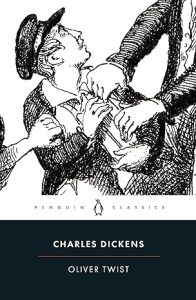
One of Dickens’s earliest works, Oliver Twist tells the story of an orphan born in a workhouse, enduring a life of neglect and exploitation. After famously asking for “more gruel,” Oliver is apprenticed to an undertaker before fleeing to London. There, he falls in with Fagin, a criminal who trains children as pickpockets. Through a series of dangers and near‑rescues, Oliver’s innate goodness remains uncorrupted, culminating in his adoption by the kindly Mr. Brownlow. The novel is both a gripping adventure and a severe critique of the Poor Laws and the inhumanity of workhouses. Dickens’s portrayal of criminal underworld figures like the menacing Bill Sikes and tragic Nancy adds moral complexity, illustrating that poverty breeds desperation but not necessarily moral ruin. Its mix of dark settings and pure‑hearted heroism helped establish Dickens’s reputation as the champion of society’s most vulnerable.
5. Bleak House (1853)
Bleak House is a sprawling, multi‑layered novel centered on the interminable legal case of Jarndyce and Jarndyce, a lawsuit over a contested will that has ruined countless lives through the Chancery Court’s inefficiency. Told through two narrators-omniscient and the gentle Esther Summerson-the novel explores corruption, negligence, and the human cost of bureaucracy. Characters range from the philanthropic John Jarndyce to the chillingly cold lawyer Mr. Tulkinghorn. Dickens masterfully connects the fates of both rich and poor, showing how social classes intersect in the shadow of systemic injustice. The book also delves into personal secrets, including Esther’s mysterious parentage. Its scope, shifting perspectives, and biting satire of legal inefficiency make it one of Dickens’s most ambitious works. While complex, the novel rewards patient readers with a deeply moral message and memorable portraits of human folly and resilience.
6. Nicholas Nickleby (1839)
Following the death of his father, young Nicholas Nickleby must support his mother and sister. Betrayed by his cold uncle Ralph, Nicholas takes a post at Dotheboys Hall, a brutal Yorkshire boarding school run by the sadistic Mr. Squeers. Escaping that misery, Nicholas embarks on a series of adventures, defending his sister’s honor, befriending the eccentric Crummles theatrical troupe, and ultimately confronting his uncle’s schemes. The novel combines humor and melodrama with social criticism, particularly of abuses in England’s private schools. Nicholas’s moral steadfastness in the face of corruption exemplifies Dickens’s ideal hero. Colourful side characters and rapid plot turns make it both engaging and sharply critical of profit‑driven cruelty toward the vulnerable.
7. Little Dorrit (1857)
Little Dorrit explores themes of debt, confinement, and bureaucracy through the life of Amy Dorrit, born in the Marshalsea debtors’ prison where her father, William Dorrit, has been held for decades. Working as a seamstress, Amy remains humble and selfless even as her family’s fortunes change after an unexpected inheritance. The novel also follows Arthur Clennam, who befriends Amy and investigates a family mystery. Dickens satirizes the inefficiency and absurdity of government-embodied in the fictional “Circumlocution Office”-and examines how social structures trap people in metaphorical prisons. With Amy as a model of quiet moral integrity, Little Dorrit delivers both a touching love story and a scathing critique of Victorian institutions.
8. Hard Times (1854)
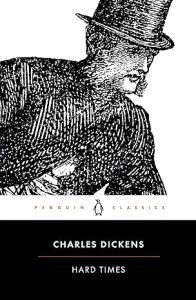
Set in the grim industrial city of Coketown, Hard Times critiques an education system based solely on facts and a society driven by utilitarianism. Mr. Thomas Gradgrind raises his children, Louisa and Tom, with strict factual instruction, neglecting imagination and emotion. Louisa’s loveless marriage and Tom’s moral downfall illustrate the dehumanizing effects of this philosophy. Parallel to their story is that of Stephen Blackpool, a factory worker struggling against injustice. Shorter than most Dickens novels, Hard Times is tightly plotted and thematically focused, delivering a powerful indictment of industrial society’s disregard for human compassion and creativity.
9. The Pickwick Papers (1837)
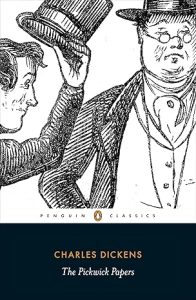
The Pickwick Papers began Dickens’s career with a blend of humor, satire, and episodic storytelling. The novel follows the adventures of Samuel Pickwick and his fellow club members-Mr. Tupman, Mr. Winkle, and Mr. Snodgrass-as they travel through England, encountering comic mishaps and eccentric characters. While largely lighthearted, episodes touch on deeper issues like debtors’ prisons and breach‑of‑promise lawsuits. Its serialized form allowed Dickens to refine his craft and develop the memorable side characters and social observation that would define his later works. The cheerful tone and episodic charm make it a delightful introduction to Dickens for new readers.
10. Our Mutual Friend (1865)
Dickens’s last completed novel, Our Mutual Friend opens with the discovery of a body in the River Thames, belonging (supposedly) to heir John Harmon, who was to inherit a fortune conditional on marrying Bella Wilfer. Harmon, alive and in disguise, observes Bella’s true nature before revealing himself. Interwoven plots feature themes of wealth, greed, and moral transformation. The dust‑heaps owned by Mr. Boffin symbolize both literal and figurative waste in society. Darker in tone, the novel studies how money corrupts relationships and values. Its intricate plot and moral intensity show Dickens at the height of his narrative sophistication.
Conclusion: Top 10 Books by Charles Dickens
Charles Dickens’s novels remain vital not only for their storytelling brilliance but for their moral urgency. Whether tackling poverty, injustice, or the failings of institutions, Dickens combined entertainment with a call for compassion and reform. These Top 10 Books by Charles Dickens capture the full range of his genius-humor, social critique, mystery, and unforgettable human portraits-and continue to enchant and challenge readers more than a century later.
Engage with Us: What Are Your Favorite Books?












One Comment
Reading this is like wandering through an unfamiliar yet welcoming garden. Each sentence reveals subtle beauty and invites careful observation and quiet appreciation.