
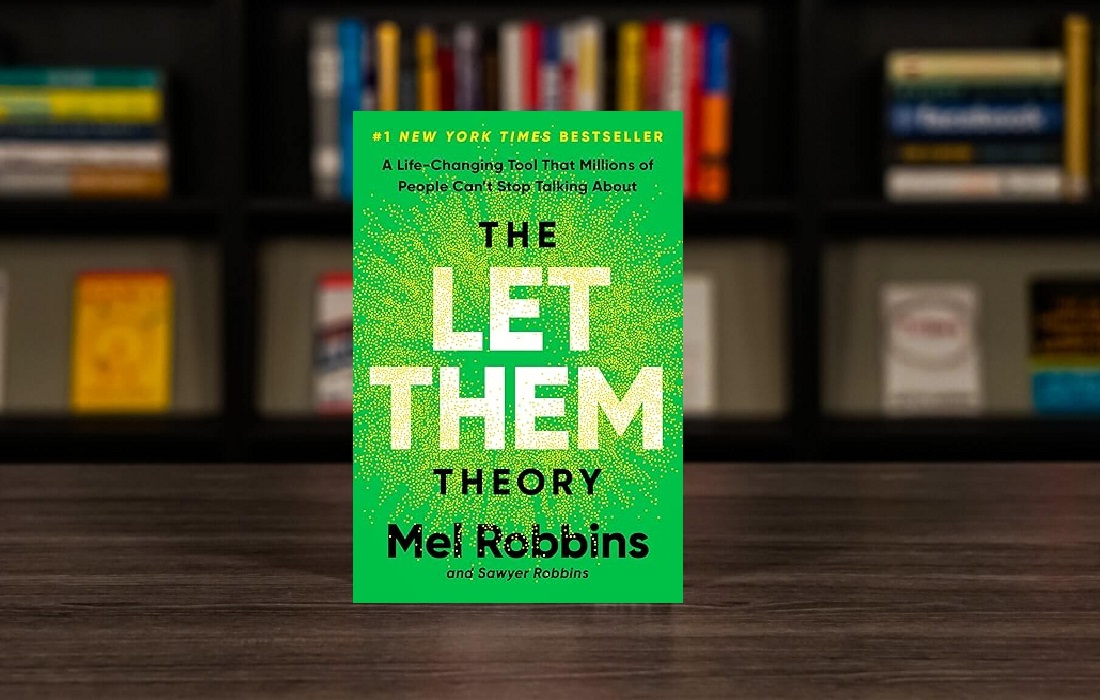
The Let Them Theory by Mel Robbins and Sawyer Robbins explores the transformative power of releasing control over others’ actions. Through personal stories and practical advice, the book empowers readers to set healthy boundaries, reduce stress, and gain peace by simply letting people be themselves—leading to greater emotional freedom and self-growth. chevron_left
1. Introduction to The Let Them Theory
In a world obsessed with control over people, situations, and outcomes, feeling constantly stressed or anxious has become the new normal. That’s where The Let Them Theory comes in, proposing a radically simple yet powerful solution: just let them.
Authored by the internationally acclaimed Mel Robbins, with insights from Sawyer Robbins, “The Let Them Theory: A Life-Changing Tool That Millions of People Can’t Stop Talking About” has taken the self-help world by storm. The theory, which went viral on social media, is now fully fleshed out in this compelling book, promising to help readers find peace, set boundaries, and reclaim their power.
But does it really work? Is it more than just another Internet trend? This review digs deep into the book’s content, analyzing its concepts, benefits, criticisms, and lasting impact.
2. About the Authors
Mel Robbins
Mel Robbins is a bestselling author (The 5 Second Rule), renowned motivational speaker, and one of the most trusted voices in personal development today. Her work blends practicality with science-backed tools, which has led to over 100 million views of her TEDx talks and social media content. Mel’s approachable style, combined with her vulnerability and honesty, has made her a favorite in the self-help genre.
Sawyer Robbins
Sawyer Robbins, Mel’s daughter, is a co-author of this book. Bringing a fresh, intergenerational perspective, Sawyer helps translate the “let them” philosophy for a younger audience, adding personal stories and insights that resonate with readers at every stage of life. Their collaboration adds depth, demonstrating the universal relevance of the Let Them Theory.
3. What Is The Let Them Theory?
At its core, The Let Them Theory is a mindset shift. It challenges our need to control other people’s opinions, actions, and reactions. Instead, it posits that peace and strength come from letting others be who they are—even if their choices disappoint, annoy, or confuse us.
Key Message:
Stop trying to control others. Let people do what they’re going to do. Focus on your own response and growth.
Whether dealing with family drama, office politics, social media trolls, or emotional relationships, the Let Them Theory provides a clear, simple rule:
Let them judge. Let them leave. Let them be upset. Let them… just let them.
4. Key Concepts and Big Ideas
The Origins of the Let Them Theory
The theory’s roots lie in Mel’s personal journey—stories of struggle and transformation, grappling with anxiety about others’ behavior, and the false sense of control she chased. Her original viral video explaining the “Let Them” method sparked an outpouring of gratitude and recognition, inspiring this full-length book.
Psychological Foundation
The book unpacks the psychology behind the need for control, touching on themes such as:
– Attachment Styles: How childhood experiences shape our view of relationships
– Boundaries: The importance of personal limits for emotional health
– Stress Response: How trying to micro-manage others creates chronic stress
– Emotional Resilience: How letting go builds inner strength
Robbins references psychological research, including cognitive behavioral therapy, letting go of codependency, and acceptance-based mindfulness, tying these concepts seamlessly into her relatable stories.
5. Book Structure & Writing Style
The book is divided into thematic chapters, each starting with a story—some personal, some crowdsourced from readers. Mel and Sawyer alternate voices, offering perspectives from different life stages and backgrounds.
Mel’s voice: Wise, energetic, and direct
Sawyer’s voice: Reflective, honest, relatable for younger and emerging adults
Additionally, each chapter ends with practical exercises, reflection prompts, and real examples to encourage implementation.
Writing Style:
– Conversational, humorous, and occasionally raw
– Accessible to all reading levels
– Filled with motivational quotes and summaries
6. Top Lessons from The Let Them Theory
1. Control Is an Illusion: Trying to control other people is exhausting and futile. The book references research and anecdotes about wasted energy on making others act a certain way. **“Your peace is more important than their opinion,”** writes Robbins.
2. Boundaries Aren’t Walls: Some people think “letting them” means being passive or indifferent. The book clarifies that boundaries are about respecting your needs—not about shutting out the world. Instead of controlling, you protect your energy.
3. Let Others Own Their Choices: Whether it’s a friend making questionable decisions or a co-worker acting out—let them. You don’t have to fix, save, or persuade everyone.
4. Focus on What You *Can* Control: Shift your attention from the uncontrollable (other people) to the controllable (your reactions, thoughts, and actions). This fosters resilience, confidence, and peace.
5. The Power of Detachment: Letting go doesn’t mean you don’t care—it means you give up the illusion of control. This detachment reduces anxiety and leads to healthier relationships.
6. How to Handle Criticism and Judgment: Let people criticize. Let people misunderstand. In a world of opinions, Robbins argues that freedom comes from not needing everyone’s approval.
7. Reclaiming Your Time and Energy: By letting others do as they please, you reclaim mental energy and time for what truly matters—your own growth and happiness.
7. How to Apply “Let Them” in Real Life
Examples from the Book
– Family Gatherings: When relatives gossip or criticize, let them—focus on enjoying your time and keeping your boundaries.
– Workplace Dynamics: When a colleague takes credit for your work or acts unfairly, let them—document your accomplishments and move forward.
– Friend Breakups: When friends drift or become distant, let them—don’t chase, but invest in relationships that are mutual.
Practical Steps
1. Notice Your Triggers: Identify when you feel the urge to control or fix someone else.
2. Pause and Reflect: Ask, “What happens if I just…let them?”
3. Choose Your Response: Based on your values, decide how you want to act (not react).
4. Practice Detachment: Repeat the mantra, “Let them do what they will. I choose peace.”
8. Strengths and Highlights
– Universal Appeal: From parents to college students, the advice fits all.
– Simple, Actionable Tools: No jargon, just practical exercises and real examples.
– Highly Relatable: The authors’ stories mirror many readers’ own struggles.
– Engaging Structure: Alternating voices, reflection points, and clear summaries.
– Addresses Modern Challenges: Including digital overwhelm, people-pleasing, and setting boundaries at work.
9. Criticisms and Limitations
No book is without flaws, and it’s important to cover where some readers might feel disappointed:
– May Seem Overly Simplistic: While the advice is practical, some may want deeper psychological analysis or advanced strategies.
– Not a One-Size-Fits-All: In some relationships (such as abusive or exploitative situations), simply “letting them” is not enough—professional support may be necessary.
– Repetition: Some readers may find the message repeated in different forms, though this can also reinforce its importance.
– Social Media Origin: Critics might see it as “just another viral trend,” though the book offers more substance than the social snippet suggests.
10. Who Should Read This Book?
Ideal for:
– Anyone feeling stressed or overwhelmed by other people’s behavior.
– Those seeking to improve boundaries and self-worth.
– People-pleasers, caretakers, and perfectionists.
– Fans of Mel Robbins’ previous work, or popular self-help authors like Brené Brown and Mark Manson.
– Readers struggling with anxiety, especially social or situational anxiety.
Not recommended as a substitute for therapy in cases of trauma, abuse, or mental health crises, but useful as a self-help tool in tandem with professional guidance.
11. Comparison to Other Self-Help Books
Compared to “The Subtle Art of Not Giving a F*ck” by Mark Manson:
Both encourage letting go of control, but “Let Them Theory” offers a more compassionate and community-oriented approach, and is less edgy in tone.
Compared to “Boundaries” by Drs. Cloud & Townsend:
“Boundaries” is more comprehensive and clinical; “Let Them Theory” is more motivational, direct, and accessible for the everyday reader.
Unique Point:
The simplicity and viral catchphrase make it easy to recall in moments of stress; its exercises and stories boost practical application.
12. Frequently Asked Questions
Q: Is “The Let Them Theory” just about being passive?
A: No—it’s about actively choosing where you spend your emotional energy and learning to prioritize your own needs and responses.
Q: Will this book help with anxiety?
A: Many readers report reduced anxiety by letting go of the need to manage how others act. However, for clinical anxiety, always consult a healthcare professional.
Q: Can the theory help at work?
A: Yes, especially in dealing with office politics, difficult colleagues, and stressful feedback.
Q: Is “letting them” the same as ignoring people?
A: Letting them means understanding you can’t control others. You can still communicate your needs and set firm boundaries.
13. Final Verdict: Is This Book Worth It?
After thorough analysis, The Let Them Theory by Mel Robbins and Sawyer Robbins is absolutely worth a read if you are:
– Overwhelmed by other people’s drama or expectations
– Struggling with boundaries, especially with emotionally draining people
– Longing for a tool that is easy to recall and apply in moments of distress
– Interested in practical, science-based self-help strategies
While the core idea is simple—maybe even obvious at times—the wisdom comes in its consistent application, real-life stories, and supportive tools for reflection.
14. Conclusion
In an era where we’re bombarded with advice to assert, persuade, and influence everyone around us, Mel Robbins and Sawyer Robbins offer an alternative: Let them. The power of this approach lies not in changing the world, but in changing how we relate to the world—and ultimately, to ourselves.
If living with less stress, more focus, and deeper self-acceptance isn’t a life-changing tool, what is?
Pick up “The Let Them Theory” and give yourself permission to finally let go. You might just find, as millions already have, that peace was waiting for you all along.
Did you enjoy this review? Share your thoughts or your own “let them” stories in the comments below!
















One Comment
Powerful, insightful, and transformative. The author’s wisdom is mind-blowing!