Psychoanalysis has shaped our understanding of the mind for over a century, but its reputation for complexity can discourage newcomers. This carefully curated selection highlights works that make the subject approachable without oversimplifying its richness. Whether rooted in Freud’s theories, expanded by Jung, or modernized by contemporary writers, these Top 10 Books about Psychoanalysis for Beginners introduce essential concepts like the unconscious, dreams, repression, and human development in an accessible way.
Top 10 Books about Psychoanalysis for Beginners
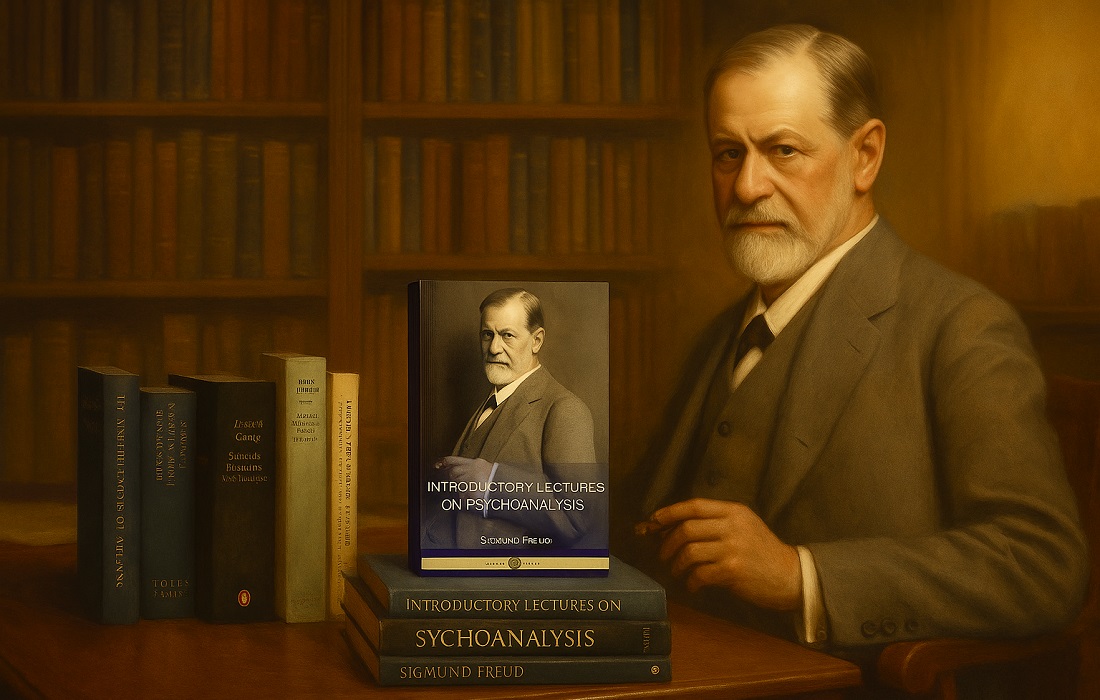
1. Introductory Lectures on Psychoanalysis by Sigmund Freud
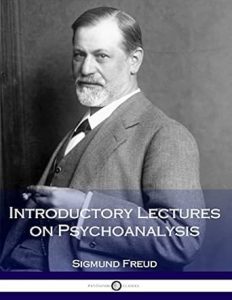
Freud explains core psychoanalytic concepts through engaging lectures, covering repression, dream analysis, parapraxes, and neuroses. Anticipating skepticism, he uses relatable examples and case studies to make complex ideas accessible. Readers encounter the unconscious not as an abstract theory, but as a powerful, everyday influence on thought and behavior. Although some ideas have evolved, this text remains foundational for grasping psychoanalysis’ origins and clinical foundations. Its informal tone makes it more approachable than Freud’s denser works, inviting beginners to explore how mental processes beneath awareness shape life. A vital, historical gateway to the discipline’s earliest principles and enduring core concerns.
2. The Basic Writings of Sigmund Freud by Ed. A.A. Brill
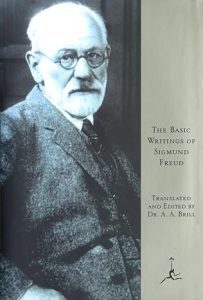
This anthology collects Freud’s most important works, including The Interpretation of Dreams, The Psychopathology of Everyday Life, and Three Contributions to the Theory of Sex. Brill’s translations maintain clarity while preserving Freud’s style. Beginners benefit from seeing how central concepts – unconscious processes, sexuality in development, and dream symbolism – interconnect across different works. The volume’s breadth allows readers to trace Freud’s intellectual evolution and his expansion into cultural analysis in Totem and Taboo. Though denser than modern guides, its one‑stop format gives newcomers deep exposure to the foundations of psychoanalysis, making it an essential resource for serious beginners.
3. Man and His Symbols by Carl G. Jung
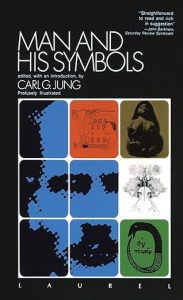
Created to explain Jung’s theories to general readers, this richly illustrated book explores archetypes, the collective unconscious, and the symbolic language of dreams, myths, and art. Jung’s own section lays out key concepts, while later chapters by his associates expand on practical applications. The accessible language and visual examples make complex ideas tangible. Readers learn how personal and universal symbols influence self‑development and cultural expression. Especially for those curious about Jungian thought, this book offers both insight and inspiration. It’s an approachable yet deep introduction, bridging psychoanalysis with creativity, spirituality, and the shared human search for meaning.
4. The Psychopathology of Everyday Life by Sigmund Freud
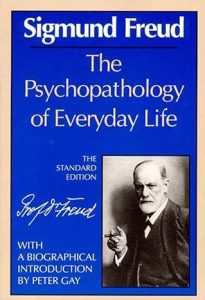
Freud reveals how small mistakes – slips of the tongue, forgotten names, misplaced items – expose unconscious thoughts. With humor and sharp analysis, he shows that even trivial errors carry meaning, often tied to repressed emotions or desires. The book blends narrative warmth with psychoanalytic interpretation, making it more accessible than technical treatises. For beginners, it demonstrates core concepts like repression and the unconscious through everyday examples. Its relatable nature keeps readers engaged while offering valuable insight into how hidden mental processes shape behavior. A timeless reminder that the unconscious mind is never far from the surface.
5. Freud for Beginners by Richard Appignanesi
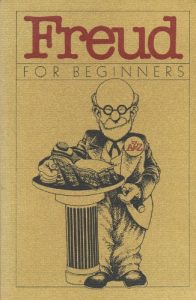
This illustrated guide uses humor, biography, and visual metaphors to introduce Freud’s life, theories, and cultural impact. Appignanesi simplifies key concepts – the id, ego, superego, dream symbolism – through short explanations paired with witty cartoons. It covers Freud’s career and controversies, situating his ideas in historical context. The graphic format makes absorbing dense material effortless, especially for visual learners or readers seeking a non‑intimidating entry point. It’s both entertaining and informative, ensuring newcomers leave with a solid grasp of Freud’s essentials. Perfect as a first step before reading Freud’s own works, it makes psychoanalysis vivid and unforgettable.
6. Becoming Freud by Adam Phillips
Phillips, a psychoanalyst and gifted writer, offers a concise, thoughtful biography of Freud’s formative years. Rather than covering his entire life, the book focuses on the experiences, intellectual influences, and cultural climate that shaped his early theories. Written in clear, elegant prose, it humanizes Freud while subtly introducing the ideas he would later develop. For beginners, it’s an accessible way to see where psychoanalysis came from – rooted in real events and personal struggles. Phillips avoids dense psychoanalytic jargon, making this more a narrative of intellectual growth than a technical study. Insightful and brief, it’s an inviting starting point.
7. The Examined Life by Stephen Grosz

Grosz, a practicing psychoanalyst, distills decades of clinical experience into short, moving case stories. Each chapter reads like a parable, illustrating how psychoanalytic listening uncovers hidden motives, fears, and longings. The language is clear, the pace brisk, and the human warmth unmistakable. Beginners learn how theory manifests in practice without wading through technical language. The emphasis is on understanding people, not mastering terminology, making this ideal for the curious non‑specialist. The book conveys psychoanalysis as both an art and a dialogue, showing how uncovering truth can transform lives. An intimate, relatable entry into psychoanalytic sensibility.
8. Why Psychoanalysis? by Élisabeth Roudinesco

In Why Psychoanalysis?, historian and psychoanalyst Élisabeth Roudinesco offers a passionate defense of Freud’s legacy in a modern context. She explores the roots of psychoanalysis, addressing common criticisms while showing its enduring relevance in understanding trauma, desire, identity, and the unconscious. Written with clarity and conviction, the book bridges theory and cultural critique, making complex ideas accessible to newcomers. Roudinesco situates psychoanalysis within the wider intellectual and historical landscape, encouraging readers to see it not as outdated theory but as a living, evolving discipline. This concise, thought‑provoking work is an ideal gateway into the philosophical and humanistic dimensions of psychoanalytic thought.
9. Love’s Executioner by Irvin D. Yalom

Although Yalom is an existential psychotherapist, his case studies draw deeply on psychoanalytic themes like transference, resistance, and the search for meaning. In ten vivid narratives, he shows how therapeutic encounters explore unconscious processes and emotional truths. His writing is frank, humane, and deeply engaging, making complex dynamics easy to follow. For beginners, it offers a window into what real therapeutic work feels like – far from theory alone. Yalom’s openness about his own reactions encourages readers to view psychoanalysis as a human dialogue rather than a remote, clinical exercise. Memorable and often profound.
10. Why Freud Was Wrong by Richard Webster
This controversial yet highly readable critique introduces Freud’s ideas by challenging them, making it surprisingly useful for beginners. Webster outlines Freud’s main theories – dream analysis, repression, sexuality – before methodically questioning their validity. Beginners gain both an understanding of core psychoanalytic concepts and insight into longstanding debates about their scientific status. The book encourages critical thinking while remaining accessible, avoiding dense technical argument. It’s a reminder that psychoanalysis is not a closed system but a field shaped by discussion and dissent. Engaging and provocative, it pairs well with more sympathetic introductions for a balanced first exposure.
Conclusion: Top 10 Books about Psychoanalysis
Psychoanalysis offers pathways to understanding the hidden layers of the human mind, but grasping its essentials doesn’t require specialist training. These Top 10 Books about Psychoanalysis combine clarity, depth, and accessibility, giving beginners a solid grounding in both Freud’s legacy and the field’s evolution. From illustrated guides to vivid case histories, they reveal psychoanalysis not as an abstract theory, but as a living, human practice. Reading them equips you to appreciate the unconscious forces shaping thought, relationships, and culture – and perhaps to see your own inner world with new curiosity and insight.
Engage with Us: What Are Your Favorite Books?