
From reducing stress and anxiety to boosting focus and compassion, mindfulness offers tools for living with greater clarity, acceptance, and joy. This article explores Top 10 Books About Mindfulness as ranked by Amazon and The New York Times, covering ancient practices, modern science, and everyday applications. Whether you’re seeking calm in chaos or a deeper sense of purpose, these guides will help you cultivate awareness and create lasting change.
Top 10 Books About Mindfulness
1. Wherever You Go, There You Are by Jon Kabat-Zinn
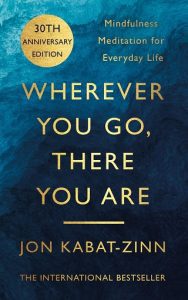
Widely regarded as a classic introduction to mindfulness, Kabat-Zinn’s book demystifies the practice, making it accessible to all. Drawing from his pioneering work in Mindfulness-Based Stress Reduction (MBSR), Kabat-Zinn shares practical techniques, short reflections, and simple exercises for integrating mindfulness into daily life. His style is gentle and direct, emphasizing that mindfulness isn’t exotic-it’s a basic human capacity for paying attention. Readers learn to approach each moment with openness, patience, and compassion. Through stories, insights, and poetic guidance, Kabat-Zinn convinces even skeptics that mindfulness isn’t about emptying the mind but waking up to life’s richness, just as it is. Wherever You Go, There You Are remains essential for beginners and long-time meditators alike.
2. The Miracle of Mindfulness: An Introduction to the Practice of Meditation by Thich Nhat Hanh
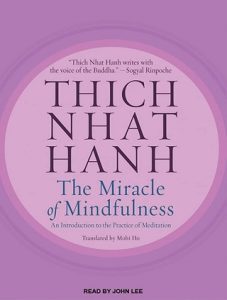
Vietnamese Zen master Thich Nhat Hanh’s timeless guide blends spiritual wisdom with practical instruction. In The Miracle of Mindfulness, readers discover how small moments-washing dishes, walking, breathing-can be opportunities for awakening. Hanh’s gentle prose and deep compassion shine through stories, exercises, and meditations. He explains how mindfulness can transform suffering into inner peace and offers practices suitable for any lifestyle. The book is filled with rich anecdotes from Buddhist tradition and Hanh’s own life, bringing the reader closer to the heart of Zen. His central message is simple: every moment is precious, and true happiness lies in gentle awareness and loving presence.
3. Radical Acceptance: Embracing Your Life with the Heart of a Buddha by Tara Brach
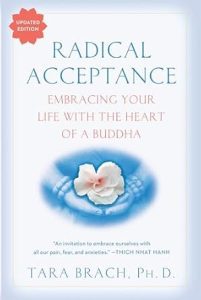
Tara Brach’s Radical Acceptance is a profound exploration of how mindfulness and self-compassion can heal feelings of inadequacy, shame, and fear. Blending Buddhist teachings with modern psychology, Brach offers practical meditations, moving stories, and accessible guidance for embracing oneself as is. She introduces the concept of “the trance of unworthiness,” detailing how mindfulness allows us to wake up from old patterns and cultivate kindness toward all parts of ourselves. Readers find tools for working with difficult emotions, releasing perfectionism, and reconnecting with a sense of belonging. What sets this book apart is its warmth and clarity-Brach writes as a friend and guide, leading readers toward a life of acceptance, freedom, and love.
4. Mindfulness for Beginners: Reclaiming the Present Moment-and Your Life by Jon Kabat-Zinn
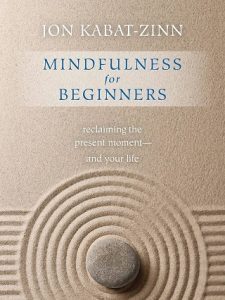
Designed for those new to the practice, Kabat-Zinn’s Mindfulness for Beginners lays out the foundations of mindful living in clear, straightforward language. The book unpacks why mindfulness matters, how it can transform stress and suffering, and simple ways to begin-no fancy techniques required. Kabat-Zinn guides readers through breath awareness, body scans, and mindful movement, emphasizing that every experience (pleasant or unpleasant) is an opportunity to wake up. He debunks myths about meditation and encourages maintaining a “beginner’s mind.” The result is a practical, supportive resource that empowers anyone to explore mindfulness, regardless of background, culture, or beliefs.
5. The Untethered Soul: The Journey Beyond Yourself by Michael A. Singer

Singer’s bestselling work explores the nature of thought, emotion, and consciousness, providing readers with transformative insights for living a more mindful and liberated life. Through accessible explanations and practical exercises, Singer illuminates how we can observe our inner dialogue without getting swept away, releasing old fears and attachments. He uses vivid metaphors to help readers see their thoughts and feelings as passing events. The book’s central message is one of radical freedom: by living mindfully and relinquishing the need for control, we open to joy, peace, and boundless possibility. The Untethered Soul bridges spiritual wisdom and psychology, offering tools for profound personal change.
6. 10% Happier: How I Tamed the Voice in My Head, Reduced Stress Without Losing My Edge, and Found Self-Help That Actually Works by Dan Harris
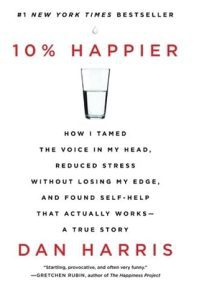
ABC news anchor Dan Harris tells the candid, often humorous story of his own path from skepticism and anxiety to mindfulness. After a panic attack on live television, Harris investigates meditation, shares his doubts, and discovers that mindfulness is not mystical-it’s powerful and practical. The book combines personal anecdotes, interviews with leading teachers, and scientifically grounded insights. Harris offers a fresh perspective for those wary of “spiritual” self-help, showing how mindfulness can sharpen focus, boost resilience, and make life just “10% happier.” His approachable style and honest explorations help readers overcome resistance and try mindfulness for themselves, step by step.
7. Real Happiness: The Power of Meditation by Sharon Salzberg
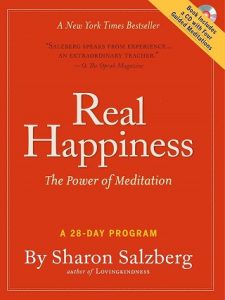
A leading teacher in the Insight Meditation tradition, Salzberg presents a comprehensive, 28-day program for establishing a mindfulness practice. Real Happiness distills decades of teaching into clear guidance for working with breath, body, thoughts, and emotions. Salzberg’s approach welcomes all, including the distracted, discouraged, and impatient; each chapter includes practical exercises and answers to common questions (“Am I doing this right?”). The book also explores the science of meditation’s benefits-greater well-being, reduced stress, increased empathy-and why loving-kindness is central to mindfulness. Salzberg’s writing is supportive and wise, making mindfulness accessible without diluting its transformative power.
8. The Book of Awakening: Having the Life You Want by Being Present to the Life You Have by Mark Nepo
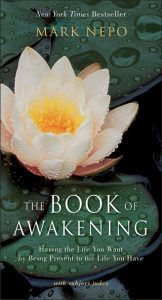
Mark Nepo’s The Book of Awakening offers a year’s worth of short, poetic reflections designed to foster presence and gratitude. Drawing on his own experiences with illness, Nepo illustrates how mindfulness is a gateway to wonder, compassion, and resilience. Each page invites the reader to slow down, reflect, and reconnect-not just in moments of meditation, but in everyday living. The meditations, stories, and prompts encourage deep listening both to oneself and life’s unfolding. Nepo’s writing is lyrical and nurturing; the book can be read daily for inspiration or used as a source of comfort during difficult times. It’s beloved by those who want mindfulness to infuse every corner of their lives.
9. The Mindful Way Through Depression: Freeing Yourself from Chronic Unhappiness by Mark Williams, John Teasdale, Zindel Segal & Jon Kabat-Zinn
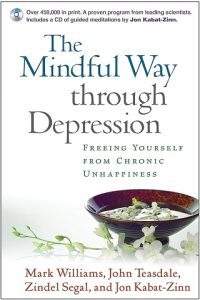
This groundbreaking book integrates clinical psychology with mindfulness practice, offering hope and practical tools for those struggling with depression. Combining evidence-based research with clear, step-by-step exercises, the authors illuminate how mindfulness interrupts cycles of rumination and self-criticism. The book includes guided meditations and worksheets to help readers cultivate acceptance and self-compassion. It does not promise instant cures, but demonstrates how awareness and kind attention gently shift even chronic patterns of unhappiness. Professional yet deeply empathetic, The Mindful Way Through Depression is invaluable for anyone seeking mindful healing, whether or not they experience depression themselves.
10. A Mindfulness-Based Stress Reduction Workbook by Bob Stahl & Elisha Goldstein
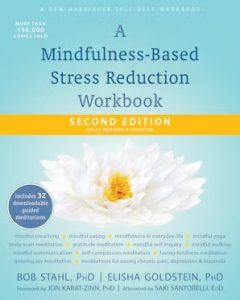
This hands-on workbook distills the acclaimed Mindfulness-Based Stress Reduction (MBSR) program-developed by Kabat-Zinn-into practical exercises and weekly plans. Stahl and Goldstein guide readers through meditation, mindful movement, and self-inquiry, providing clear instructions for integrating mindfulness into daily routines. The workbook format encourages practice and reflection, helping users observe stress triggers, cultivate presence, and build resilience. What makes this book stand out is its accessibility and adaptability; beginners can follow along easily, while seasoned practitioners find advanced exercises to deepen their skills. It’s a complete toolkit for bringing mindfulness off the cushion and into everyday life, reducing stress and enhancing overall well-being.
Engage with Us: What Are Your Favorite Books?